
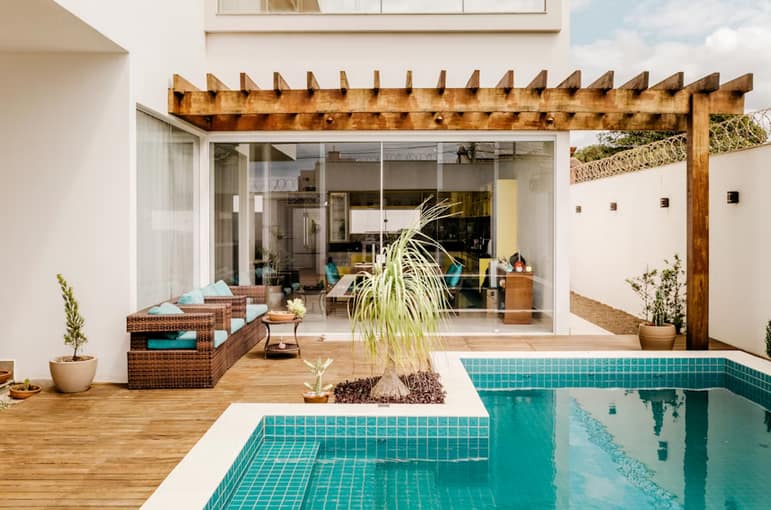
A home pool has long been seen as a symbol of comfort, relaxation, and leisure, but the process of installing one can take an unexpected twist if important decisions are rushed. Many homeowners begin the journey excited about creating a backyard escape, only to realize later that they overlooked crucial steps. Pool installation might look straightforward from the outside, but it demands thoughtful planning, steady judgment, and an understanding of long-term considerations. Before the project begins, it helps to recognize where most people go wrong so you can avoid falling into the same traps. These common mistakes often appear simple at first, yet they can lead to problems that are costly, stressful, and entirely preventable with a bit of planning.
Choosing a Poor Location Without Long-Term Thinking
One of the most frequent mistakes homeowners make is selecting a pool location based solely on the idea of convenience or appearance. A spot that catch a lot of sun might look perfect, but internal factors such as soil strength, slope, drainage patterns, and underground lines must come first. Placing a pool too close to trees increases leaf and debris buildup. Location also affects comfort; windy areas cool the water and make swimming less enjoyable. Thinking long-term instead of choosing the first attractive spot can spare you from future challenges, including repair work and unnecessary maintenance costs. A pool should fit naturally within the property, not fight against it.
Overlooking Local Codes and Permit Requirements
Some homeowners begin construction without checking the rules that govern pool builds in their area. This is a mistake that can lead to delays, fines, or—in the worst cases—the demand to remove structures that violate local requirements. Regulations often cover fencing, distance from property boundaries, pool depth, water flow, and drainage. Assuming a contractor will handle everything can also lead to misunderstandings. Even with a reliable installer, personal confirmation of requirements helps keep the project coordinated and legally compliant. Staying informed protects the investment and helps the process move smoothly.
Choosing the Wrong Size or Shape
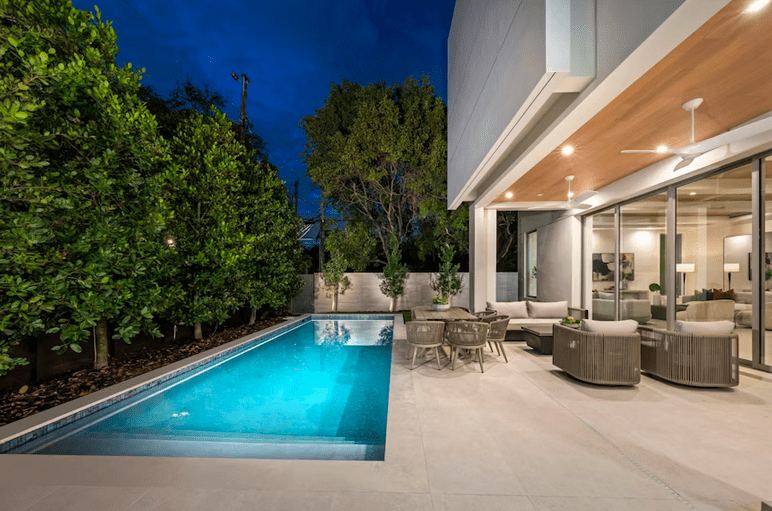
It is surprisingly common for homeowners to pick a pool size or shape that doesn’t match their property layout or lifestyle goals. Sometimes people choose a design that looks visually appealing in pictures but doesn’t work for their daily use. A small yard overwhelmed by a large pool feels cramped, while an overly small pool in a spacious yard feels underwhelming. Odd shapes may seem exciting but can limit swimming activities or reduce usable space. Additionally, unusual shapes may increase construction expenses. The best choice balances appearance, enjoyable use, and harmony with the surrounding yard. Careful thought at the planning stage prevents regret after construction is complete.
Underestimating the Total Cost of a Full Pool Project
A pool isn’t limited to the shell alone. Homeowners often budget only for the core installation and then discover extra components they didn’t factor in. Costs for decking, lighting, pumps, filtration systems, covers, and landscaping add up faster than expected. Beyond installation, ongoing maintenance—including chemicals, cleaning tools, power usage, and periodic equipment replacement—carries long-term financial weight. Failing to consider the complete picture leads to incomplete projects or compromises that affect quality. Creating a well-rounded budget from the start helps prevent unpleasant surprises and allows the project to unfold smoothly.
Hiring the Wrong Contractor
Perhaps the most damaging mistake is hiring a contractor without adequate experience or positive references. Pool installation involves technical skills, correct equipment handling, sound engineering judgment, and good communication. Choosing someone based exclusively on the lowest quote can lead to poor workmanship, hidden costs, or unfinished tasks. A trustworthy contractor provides clear explanations, realistic project timelines, and a history of quality work. Checking reviews, asking for past project photos, and requesting verifiable references helps avoid disappointments. Making the right choice at the beginning supports a better installation experience and contributes significantly to your pool’s long-term durability.
Installing a home pool can be a …

